Makhadzi Calls for Unity Amid Anti-Immigrant Tension

South African Star Urges Peace as Regional Tensions Rise
South African singer Makhadzi has called for unity and peaceful relations amid growing tensions surrounding anti-immigrant sentiments and attacks involving foreign nationals in South Africa.
Her appeal comes at a time when concerns over the treatment of immigrants have increasingly attracted attention across Southern Africa. Zimbabweans and other foreign nationals living and working in South Africa have been among communities affected by the wider tensions, prompting conversations about xenophobia, migration and the safety of people living away from their countries of origin.
The situation has also begun affecting the entertainment industry, with calls emerging in neighbouring countries for promoters and companies to reconsider bookings involving South African musicians. Some members of the public have argued that South African artists should not be hosted while citizens of neighbouring countries continue to face uncertainty and alleged attacks in South Africa.
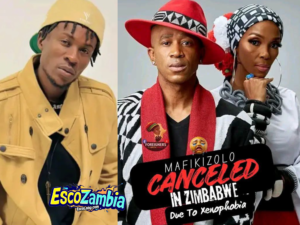
In Zimbabwe, public pressure reportedly contributed to changes surrounding the line-up for the Buddie Beatz Concert, where South African duo Mafikizolo was removed from the promotional line-up. The revised event was promoted around Zimbabwean acts, including Winky D, Killer T and Flying Bantu. The development generated debate over whether entertainment events should become part of the response to political and social tensions between neighbouring countries.
In Zambia, similar sentiments have been expressed by musicians and entertainment figures. DJ Kandeke, for example, called on Zambian promoters to temporarily stop booking South African artists as a way of protesting the treatment of foreign nationals in South Africa. His position reflects a growing debate within the regional entertainment industry over whether musicians should be affected by political and social disputes involving their countries.
The calls for unity come against a complicated regional backdrop. South Africa has long been an important destination for migrants from across the African continent, with people travelling there in search of employment, business opportunities and better economic prospects. At the same time, concerns over undocumented migration have fuelled political and public debates, sometimes resulting in hostility towards foreign nationals.
For artists such as Makhadzi, the situation presents a difficult balance. Musicians often have audiences across borders and rely heavily on regional cooperation, collaborations and touring opportunities. Any deterioration in relations between communities can therefore have consequences beyond politics, potentially affecting cultural exchanges and the entertainment business.
Calls for unity are consequently being viewed by many as an attempt to prevent tensions from further damaging relationships between ordinary people in Southern Africa. Music has historically played an important role in connecting communities across national borders, with artists from Zambia, Zimbabwe, South Africa, Malawi and other countries regularly collaborating and performing for audiences throughout the region.
The debate also raises questions about how the entertainment industry should respond when social and political tensions emerge. While some people believe artists and promoters should take a stand through boycotts and cancellations, others argue that musicians should remain focused on bringing people together rather than becoming caught up in political disagreements.
Makhadzi’s appeal for unity comes as discussions surrounding immigration, xenophobia and the safety of foreign nationals continue to attract attention across Southern Africa. The singer’s message highlights the importance of peaceful coexistence at a time when regional communities are facing heightened tensions.
For the entertainment industry, maintaining relationships between artists and audiences across borders could become increasingly important as the situation develops. South African musicians continue to enjoy large audiences throughout the region, while artists from neighbouring countries also depend on South Africa’s large entertainment market.
The ongoing situation therefore extends beyond individual performances or concert bookings. It has become part of a wider conversation about migration, regional relations, economic opportunities and the role of entertainment in bringing people together.
As Southern African countries continue to navigate these challenges, calls for peaceful dialogue and unity remain important. For musicians with audiences across national borders, promoting understanding could help ensure that ordinary citizens and artists do not become further divided by tensions that extend beyond the entertainment industry.
Makhadzi,
Promote Your Music
Reach thousands of music fans across Zambia. Get your song featured on our platform and social channels.
PROMOTE NOW →